

By Emma Nelson
In a growing city like Andover, neighborhood concerns—from high-density housing proposals to long-neglected code violations—are common. Understanding how to navigate the local system is key for residents who want their voices heard and their community issues addressed.
Report Problems Through City RequestTracker
The city’s RequestTracker tool allows residents to report issues like unmaintained properties, debris, dilapidated structures, off-street parking violations, and even concerns about employee conduct. Filling out the form connects you directly with the proper department so issues are documented and assigned. It also lets you check the status of your reports later. (City website)
Stay Informed on Major Planning and Development Projects
Projects like the “Fields of Andover” are under review through what’s called an Alternative Urban Areawide Review (AUAR), which examines large-scale environmental, traffic, and infrastructure impacts before a major development moves forward. The city adopted the Final AUAR for Fields of Andover in early June, meaning mitigation plans are now in place. (City records)
Engage With City Council and Planning Meetings
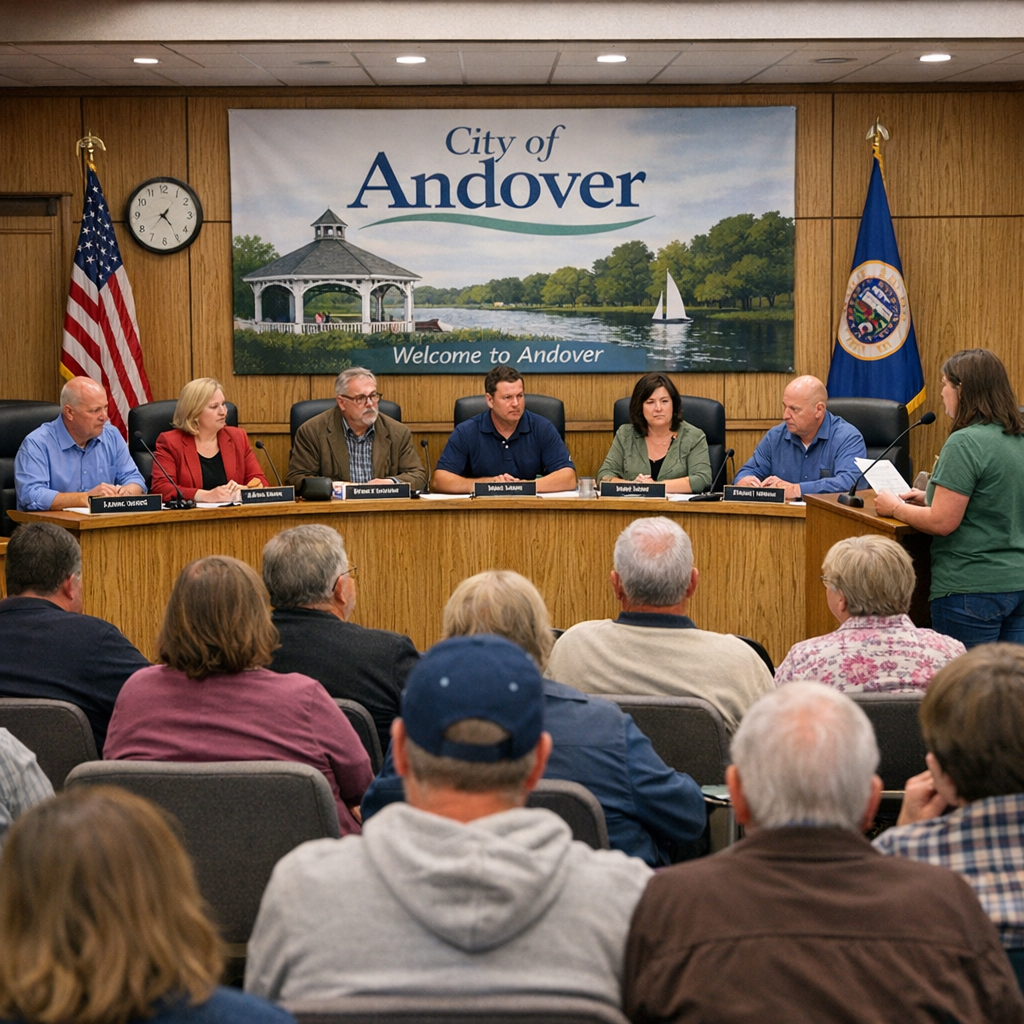
Joining council or planning commission meetings gives residents a platform to raise concerns publicly. Agendas are posted in advance so you can see when topics affecting your neighborhood—like proposed zoning changes, utility extensions, or infrastructure planning—will be discussed. These meetings are open to the public and often allow for resident input.
Know Your City Officials and Their Duties
Andover operates with a Mayor–Council system, and elected council members serve specific terms and represent different wards. Key city staff—such as the Public Works Director, Building Official, and Community Development Director—are responsible for different issues. If you’re unsure who to contact, the city’s online directory can help. (Public officials guide)
Document Your Concerns Before Raising Them
Photography, notes, or even video can strengthen your case—whether bringing up a persistent code violation or explaining concerns about traffic or utilities tied to new development. Also, knowing clear references like street addresses, zoning districts, or particular ordinance numbers helps staff respond more efficiently.
Tips for Effective Advocacy
- Stay polite but firm—city staff are more likely to engage when concerns are raised accurately and respectfully.
- Connect with neighbors; multiple voices about the same issue carry more weight.
- Use public comment periods: during AUAR reviews or council meetings, there’s usually a specific window for resident feedback.
- Follow up. Check RequestTracker, attend subsequent meetings, or communicate with officials after decisions are made, so your concern doesn’t fall through the cracks.
Andover’s growth brings opportunity, but also growing pains. Learning how reporting tools, planning processes, and public engagement work helps citizens build the kind of city they want to live in.