

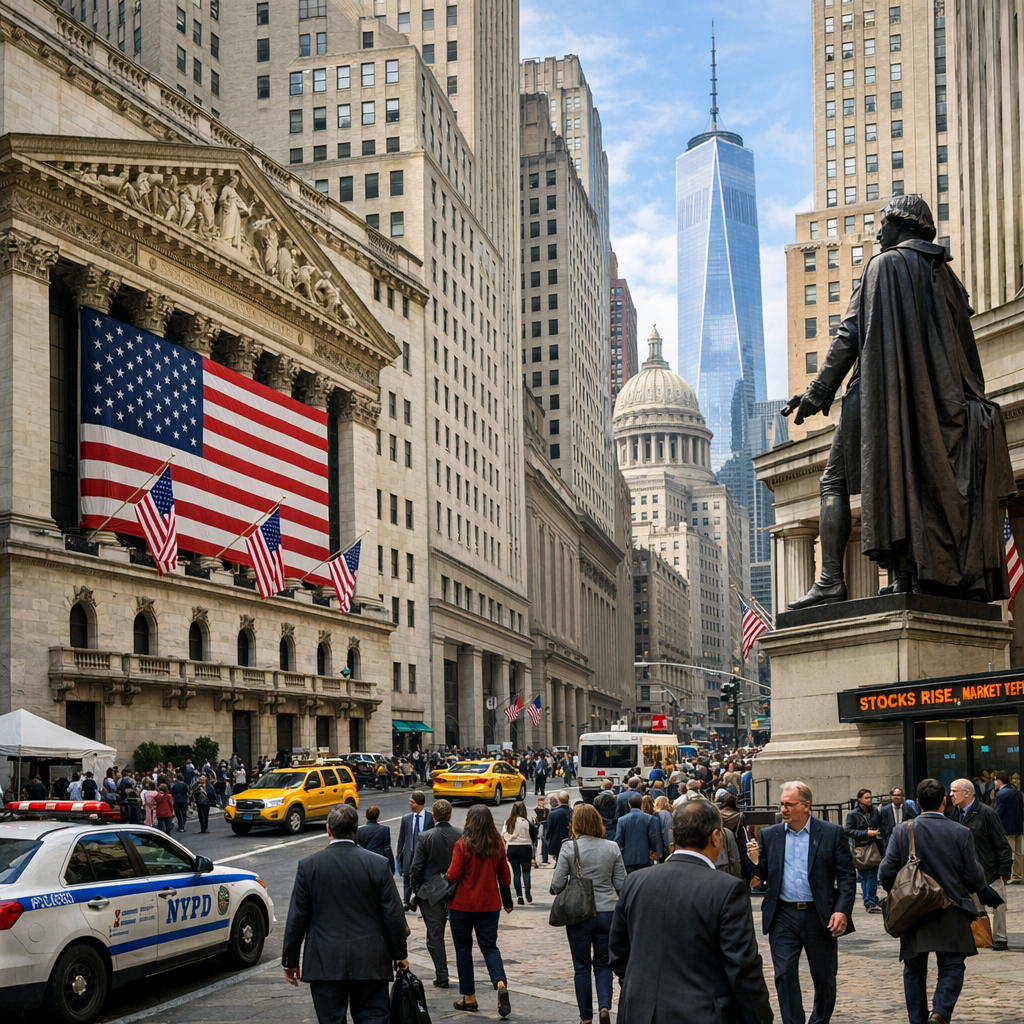
The United States economy and political landscape are complex and ever-evolving, influenced by a myriad of factors ranging from technological advancements to geopolitical events. Understanding these dynamics is crucial for comprehending the nation’s current state and future trajectory.
Economic Overview
In recent times, the U.S. economy has demonstrated resilience amidst various challenges. Notably, in the first quarter of 2026, the economy expanded at an annualized rate of 2%, rebounding from a sluggish 0.5% growth in the previous quarter. This recovery was largely attributed to the resolution of a prolonged federal government shutdown and robust investments in emerging technologies, particularly in the artificial intelligence sector.
However, this growth is tempered by external factors. Geopolitical tensions, such as conflicts in the Middle East, have led to disruptions in global energy supplies, resulting in increased energy prices and inflationary pressures. These developments underscore the interconnectedness of global events and domestic economic performance.
Political Landscape
The U.S. political arena is characterized by its two major parties: the Democratic Party and the Republican Party. While these parties contest elections at various levels, their influence extends beyond the ballot box, shaping policies and national discourse. Over the years, the political landscape has witnessed shifts influenced by demographic changes, technological advancements, and evolving societal values.
Recent studies indicate a decline in overall social media usage among Americans, with platforms like Facebook and Twitter experiencing reduced engagement. This trend suggests a fragmentation of the digital public sphere, potentially impacting political mobilization and discourse. Additionally, the rise of alternative platforms and the diversification of media consumption habits reflect a more segmented and polarized political environment.
Implications and Considerations
For residents of Andover, Minnesota, and the broader U.S. populace, these economic and political developments have tangible implications. Economic fluctuations can influence employment opportunities, consumer prices, and local business dynamics. Similarly, shifts in the political landscape can affect policy decisions at both federal and state levels, impacting areas such as education, healthcare, and infrastructure.
Staying informed about these trends is essential. Engaging with diverse news sources, participating in community discussions, and fostering critical thinking can empower individuals to navigate the complexities of the nation’s economic and political spheres effectively.